

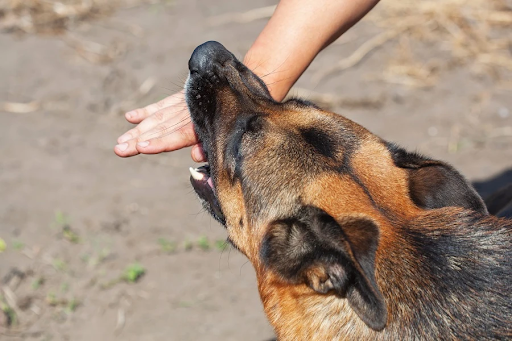
It’s a classic move in the insurance company’s playbook. You get bitten, you’re bleeding, and you’re clearly the victim. But then, the dog owner or their insurance adjuster says something that makes your blood boil: “Well, you must have done something to provoke him.”
Suddenly, the focus isn’t on your injury; it’s on your behavior. They want to make it seem like the attack was your fault. This is exactly why having a dog bite lawyer is so important. They know how to shut down these “blame the victim” tactics before they ruin your chance at a fair recovery.
What Does “Provocation” Actually Mean?
In the legal world, provocation means you did something intentional to make the dog lash out. The insurance company wants to paint a picture of you teasing, hitting, or cornering the animal. If they can prove you “started it,” they might not have to pay a dime.
But here is the reality: most people don’t go around poking strange dogs with sticks. Most bites happen when someone is just standing there, walking by, or trying to be friendly. A dog bite lawyer understands that the bar for what counts as “provocation” is actually quite high.
- Walking toward a dog isn’t a provocation.
- Making eye contact isn’t a provocation.
- Petting a dog that seemed friendly isn’t a provocation.
- Accidentally startling a sleeping dog usually doesn’t count.
- Being in the same room as a dog’s food bowl isn’t your fault.
How the Defense Tries to Flip the Script
Insurance adjusters are trained to look for any tiny detail they can use against you. They might ask you questions like, “Were you wearing a hat?” or “Were you moving quickly?” They are trying to build a case that you “scared” the dog into attacking.
They want to turn a normal human action into a “trigger.” If you don’t have a professional on your side, you might accidentally agree with them. You might say, “I guess I did move fast,” and suddenly, your claim is in jeopardy.
- They use your own recorded statements against you.
- They look for “aggressive” body language in security footage.
- They interview witnesses to see if you were “loud.”
- They try to claim you ignored a “Beware of Dog” sign.
How a Lawyer Rebuilds the Truth
When a dog bite lawyer takes your case, they start by gathering the real facts. They don’t just take the owner’s word for it. They look for the context that the insurance company is trying to hide.
For example, if the owner says you provoked the dog by reaching for it, your lawyer might find out the dog has a history of snapping at everyone. If the dog was already agitated or off-leash in a restricted area, the “provocation” defense starts to fall apart.
- They interview neutral witnesses who saw the dog’s behavior.
- They check for previous animal control complaints against that dog.
- They review local leash laws that the owner might have broken.
- They consult with animal behavior experts to explain the attack.
- They highlight the owner’s failure to restrain the animal properly.
The Role of “Reasonable Behavior”
The law usually looks at what a “reasonable person” would do. A reasonable person might reach out to pet a dog that is wagging its tail. If that dog suddenly bites, that isn’t the person’s fault; it’s a failure of the owner to warn them.
Your lawyer’s job is to show that your actions were totally normal. By proving that you acted as any other person would have, they shift the legal burden back onto the owner. The owner is the one who chose to bring a dog into a social situation; they are the one who must ensure it is safe.
Firms like The Lackey Law Firm have dealt with these “flip the script” defenses many times. They know that North Alabama families deserve to be treated with respect, not blamed for their own pain. Having a local team that knows how to push back against big insurance adjusters makes a huge difference in the final settlement.
Why You Shouldn’t Defend Yourself
Trying to argue about provocation on your own is a losing game. The insurance company does this every day. You are likely dealing with it for the first time while you are still in pain and taking medication.
A dog bite lawyer acts as your voice. They handle all the communication so you don’t have to explain yourself to a hostile adjuster. They make sure the conversation stays focused on the owner’s negligence and the severity of your wounds.
Final Thoughts on Fighting Back
Don’t let an insurance company make you feel guilty for an attack you didn’t cause. Provocation is a specific legal term, not a catch-all excuse for a dog owner’s mistakes. With the right help, you can clear your name and get the compensation you need to move forward.
Frequently Asked Questions
What if I was petting the dog when it bit me?
Petting a dog is generally not considered provocation, especially if the owner gave you permission or the dog appeared friendly. Unless you were being physically abusive or extremely aggressive toward the animal, the owner is still likely responsible for the bite.
Can a “Beware of Dog” sign be used to prove I provoked the dog?
A sign isn’t a “get out of jail free” card for the owner. While it shows you were warned, it doesn’t mean you provoked the animal just by being nearby. A lawyer can often argue that the sign proves the owner knew the dog was dangerous, which actually helps your case.
What if the owner claims I was trespassing?
Trespassing is a common defense, but it’s not the same as provocation. Even then, there are exceptions, such as if you were a delivery driver or a guest who had an “implied invitation” to be on the porch. Your lawyer will look at why you were on the property to counter this claim.
Does a dog’s breed matter in a provocation defense?
Legally, any dog can be provoked, but some breeds have different reputations in court. However, a skilled lawyer focuses on the specific dog’s behavior and the owner’s lack of control, rather than just the breed, to prove that the attack was unprovoked.
How do I prove I didn’t do anything to start the attack?
Evidence like witness statements, video from doorbell cameras, and the location of the bite marks can help. For example, a bite to the back of the leg often suggests the victim was walking away, which strongly contradicts a claim of provocation.
